Buffalo’s African American community’s history began when the first non indigenous inhabitants settled in the region. Buffalo was incorporated as a city in 1832, with 10,000 residents, three hundred of whom were African American. Throughout the 18th and 19th centuries, the Black population grew steadily but remained numerically small, representing only one to one and a half percent of the populace.
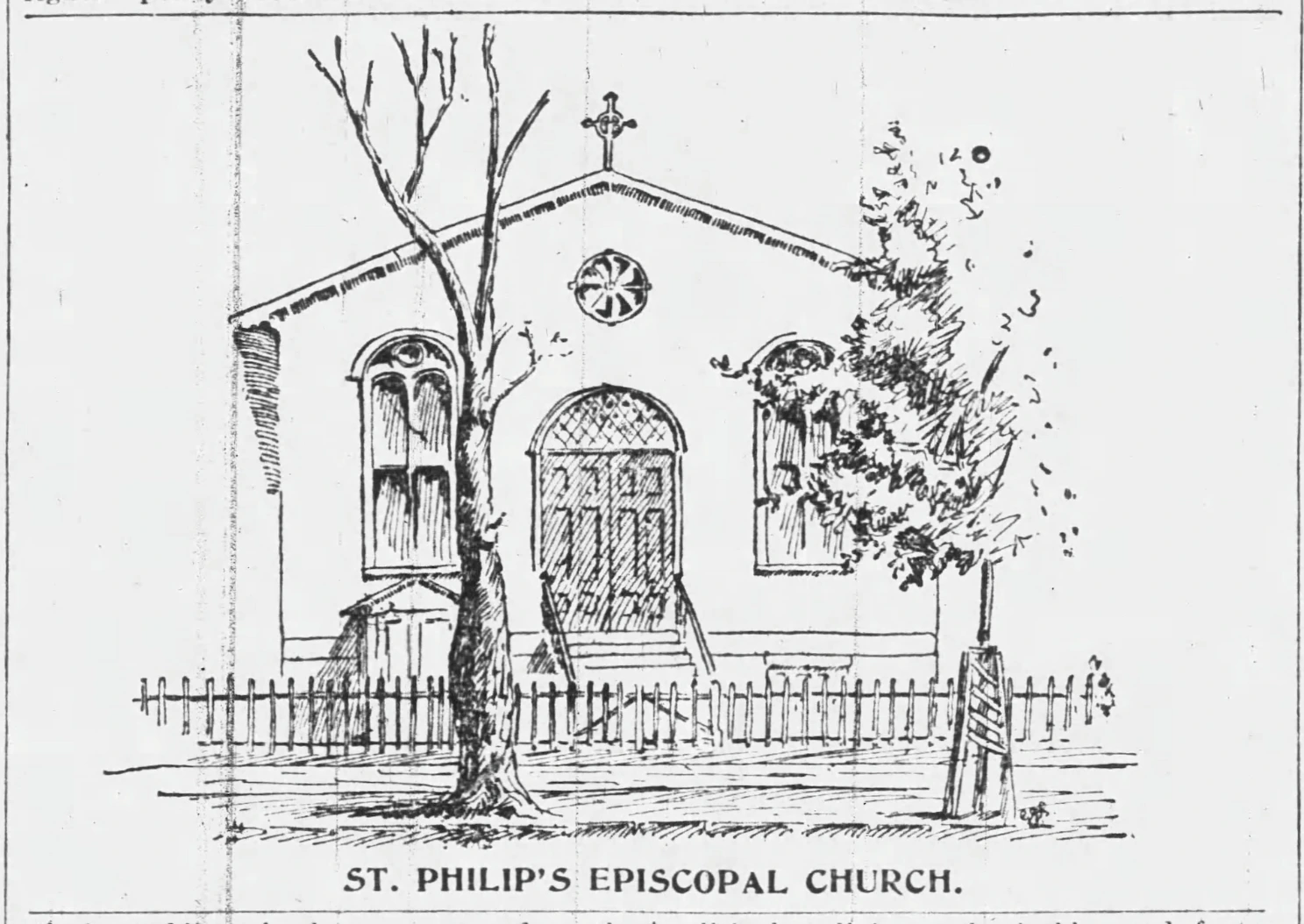
As St. Philip’s became firmly entrenched as a significant, influential religious institution in Buffalo, knowledge of its historical foundation, set by the East Presbyterian Church, has been forgotten. At best, East Presbyterian is foot-noted as a “doomed” congregation. Its substantive achievements contributing to a decade of extensive community building have been overlooked. East Presbyterian’s leaders demonstrated dedication, fortitude, and resilience through their refusal to abandon their goals for their own congregation and resolve to chart their own spiritual course. St. Philip’s has overcome numerous challenges throughout its 162-year history, but the history of this remarkable congregation is incomplete without that of East Presbyterian. This paper is the first attempt to close the circle and reunite the history of one of Buffalo’s significant religious institutions.