Uncrowned Community Builders Website
The signature "techno-pedia" is updated frequently and has added new technology that allows users to upload new biographies or edit existing ones.
This award-winning website is a digital repository of historical assets from African American communities in Western New York, Oklahoma, and across the nation.
The website also includes extensive historical articles on African Americans in Western New York during the Pan American Exposition and the Niagara Movement.
The website is also a resource for research, training, and teaching at elementary, secondary, and post-secondary educational institutions, as well as for community-based computer literacy training programs.
Uncrowned Kings
After seven years of inquiries and requests from the community, the Institute developed an Uncrowned Kings companion project.
The Uncrowned Kings initiative identifies African American men who were crucial to the development of their communities. While the Uncrowned Kings Initiative also has a national focus, we began this initiative with African American men in Buffalo and Western New York.
The Uncrowned Kings webpage was launched in April 2007. Subsequently, this website was merged with Uncrowned Queens to create Uncrowned Community Builders.
The Oklahoma/Tulsa Race Massacre Connection
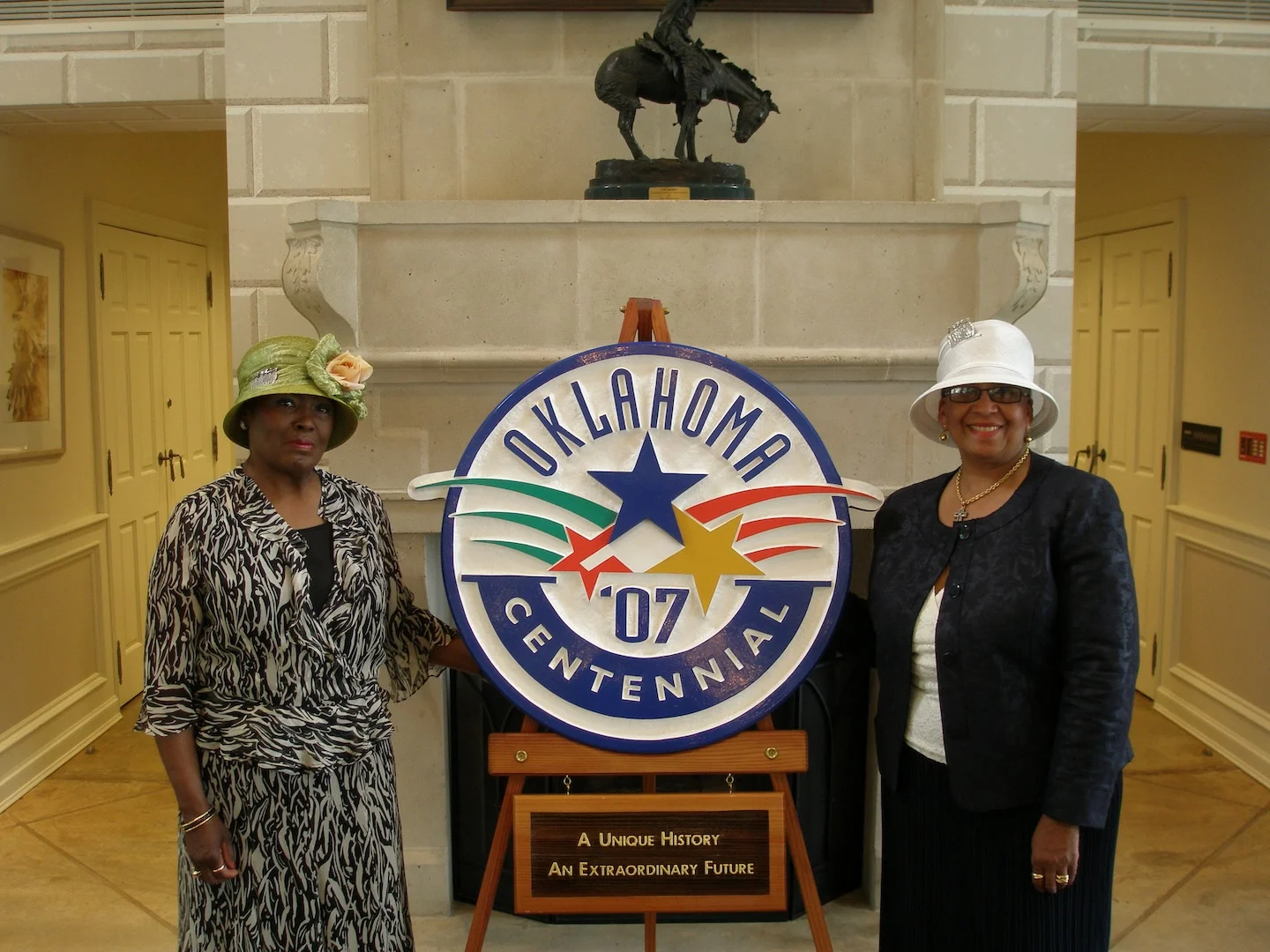
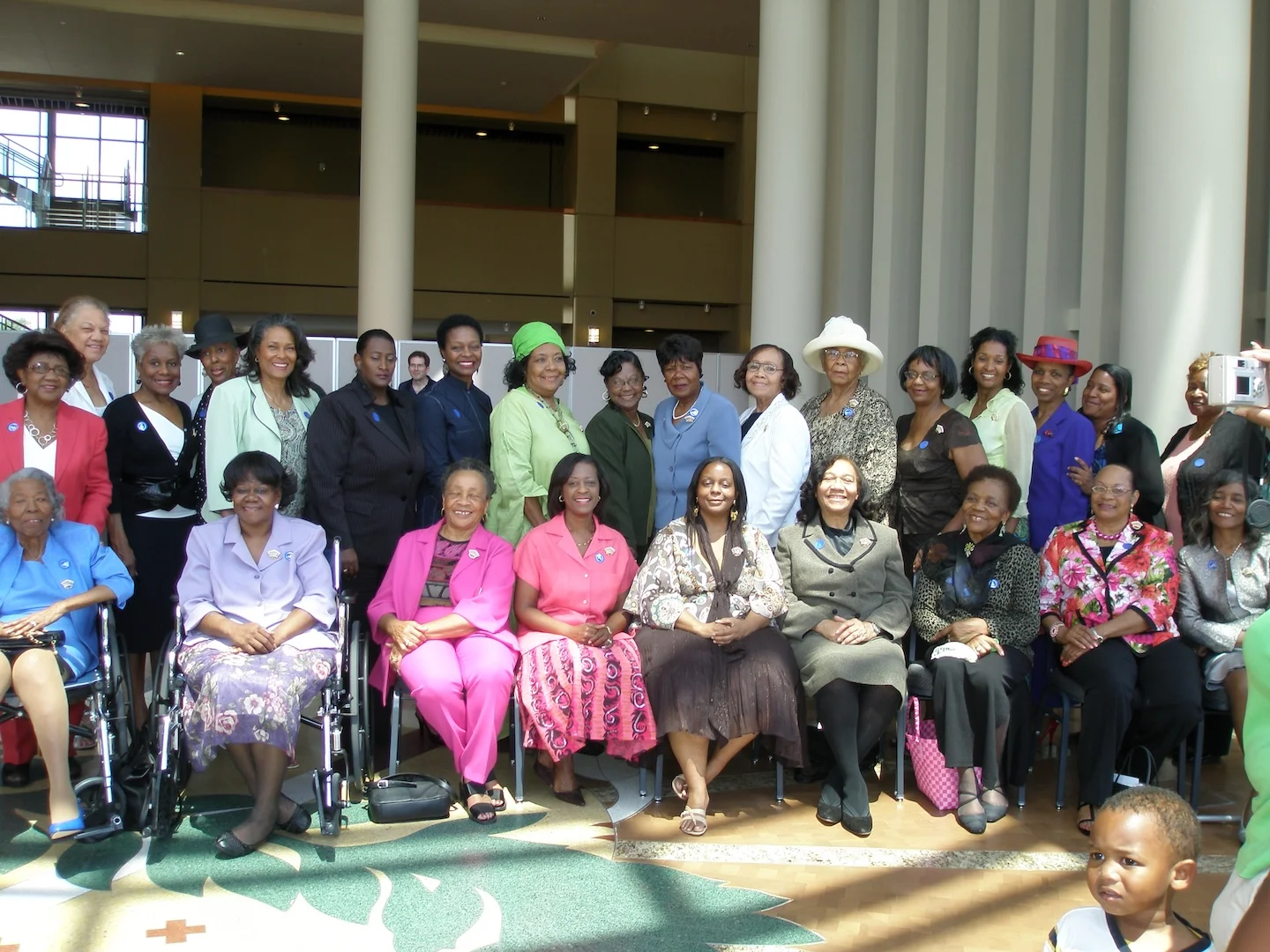
In 2007, the Institute replicated its signature program for the Oklahoma State Centennial. It was the only out-of-state project to be officially named and funded by the State.
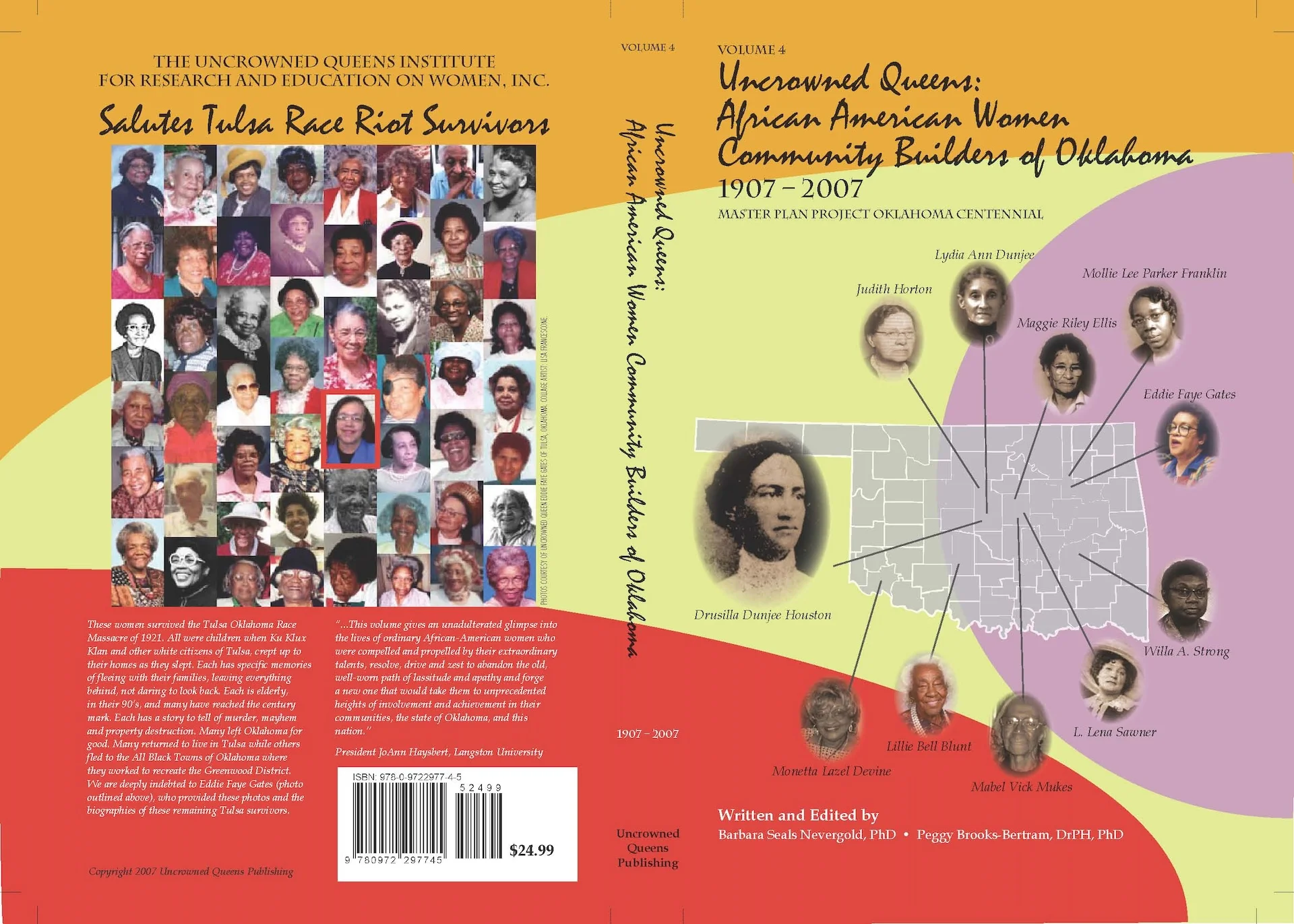
A special Uncrowned Queens project identified 100 women for an Uncrowned Queens of Oklahoma page. The UQI founders spent the year making several trips to the State, conducting workshops, and giving presentations.
Tulsa Race Massacre -
Expungement of Andrew J. Smitherman's Indictment
Indicted in 1921 for inciting the “riot”, Smitherman was forced to flee Oklahoma.He settled in Buffalo, resumed his career as a journalist and editor of the Buffalo Star, and was a community builder in the city.
In 2007, Dr. Nevergold petitioned the County of Tulsa to expunge his record and succeeded in the State expunging the records of Smitherman and 54 other men. The history of the Race Massacre and the Buffalo connection continues to be a focus of the Institute.
Oral History Projects
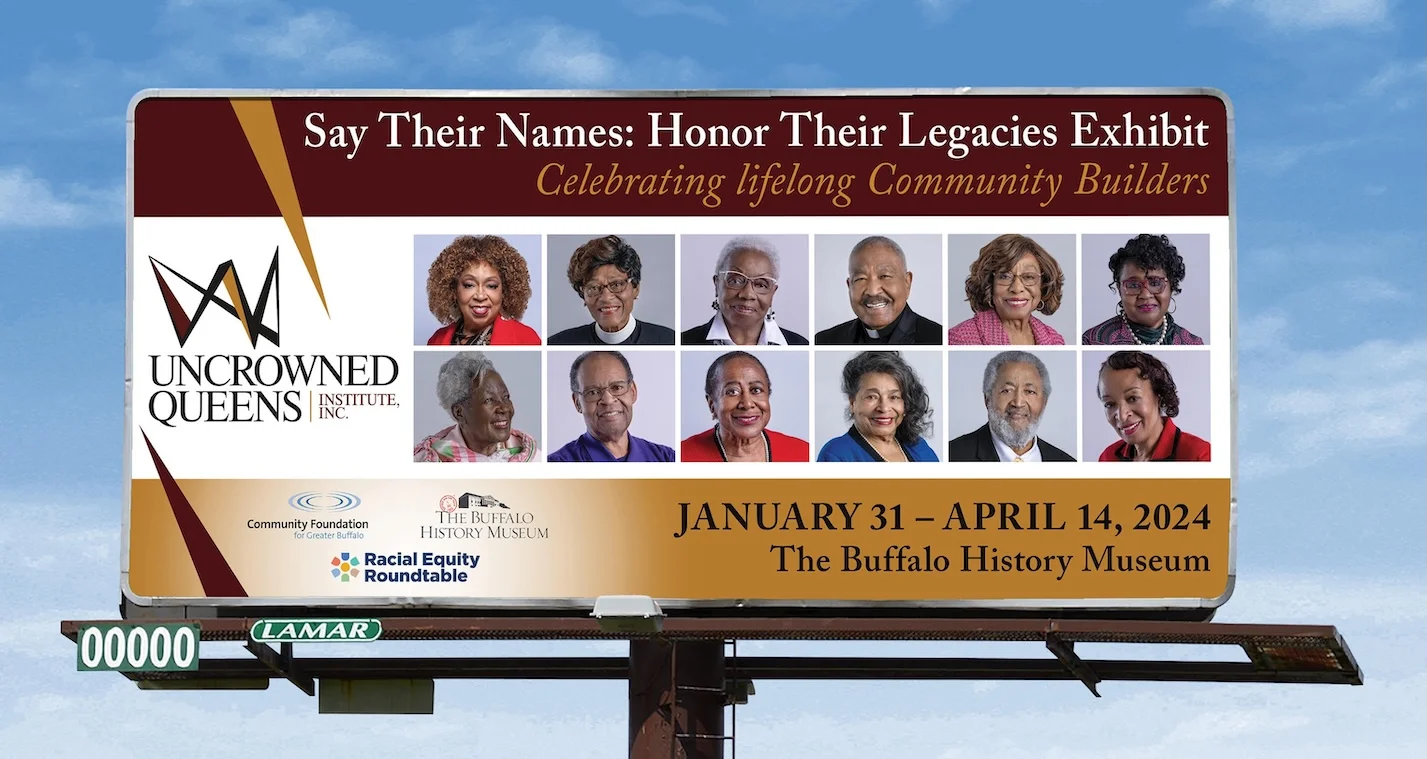
In 2006 - the Institute received funding from the Educational Technology Center of the University at Buffalo to conduct a pilot oral history project; this project has established the foundation for a larger, more extended program, including providing instruction in oral history research; Say Their Names: Honor Their Legacies: oral history project with Septuagenarians, Octogenarians, and Nonagenarians – 2023 and 2024.
These video interviews are incorporated into the Buffalo Public Schools high school curriculum, the Uncrowned Queens Facebook, and the Buffalo and Erie County Library’s UQI Digital Collection.
Watch all of the Say Their Names videos
Uncrowned Queens Archival Program
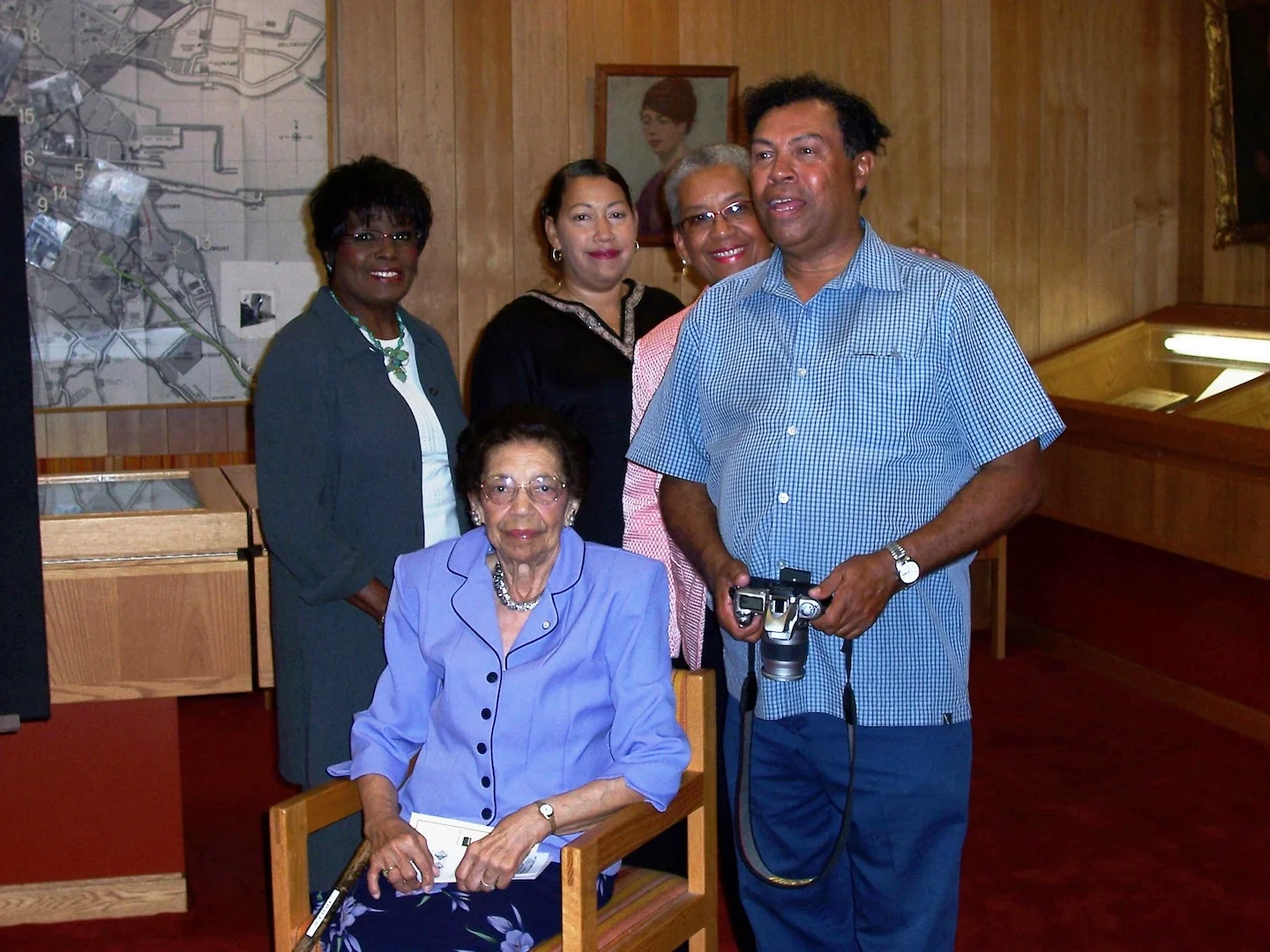
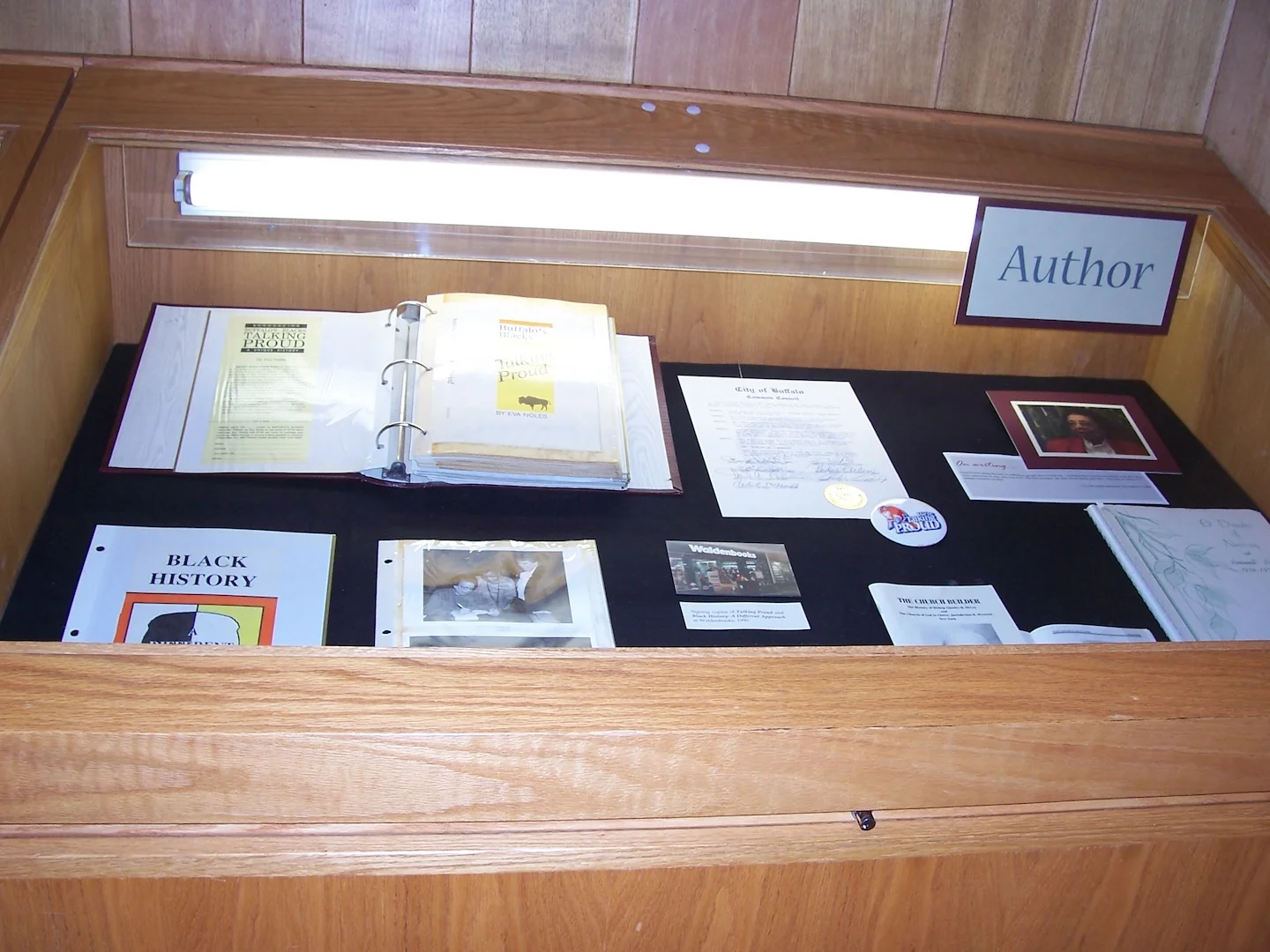
Through collaboration with the University at Buffalo's Archives, the Institute established a program to find and secure the personal papers, photos, awards, and other memorabilia of local African American Uncrowned Queens.
The first collection to be secured and donated to the Archives is that of Eva Noles, the first African American to graduate from a Buffalo School of Nursing. Mrs. Noles' papers have been cataloged and are available in hard and digital copies to student and community researchers and for teaching.
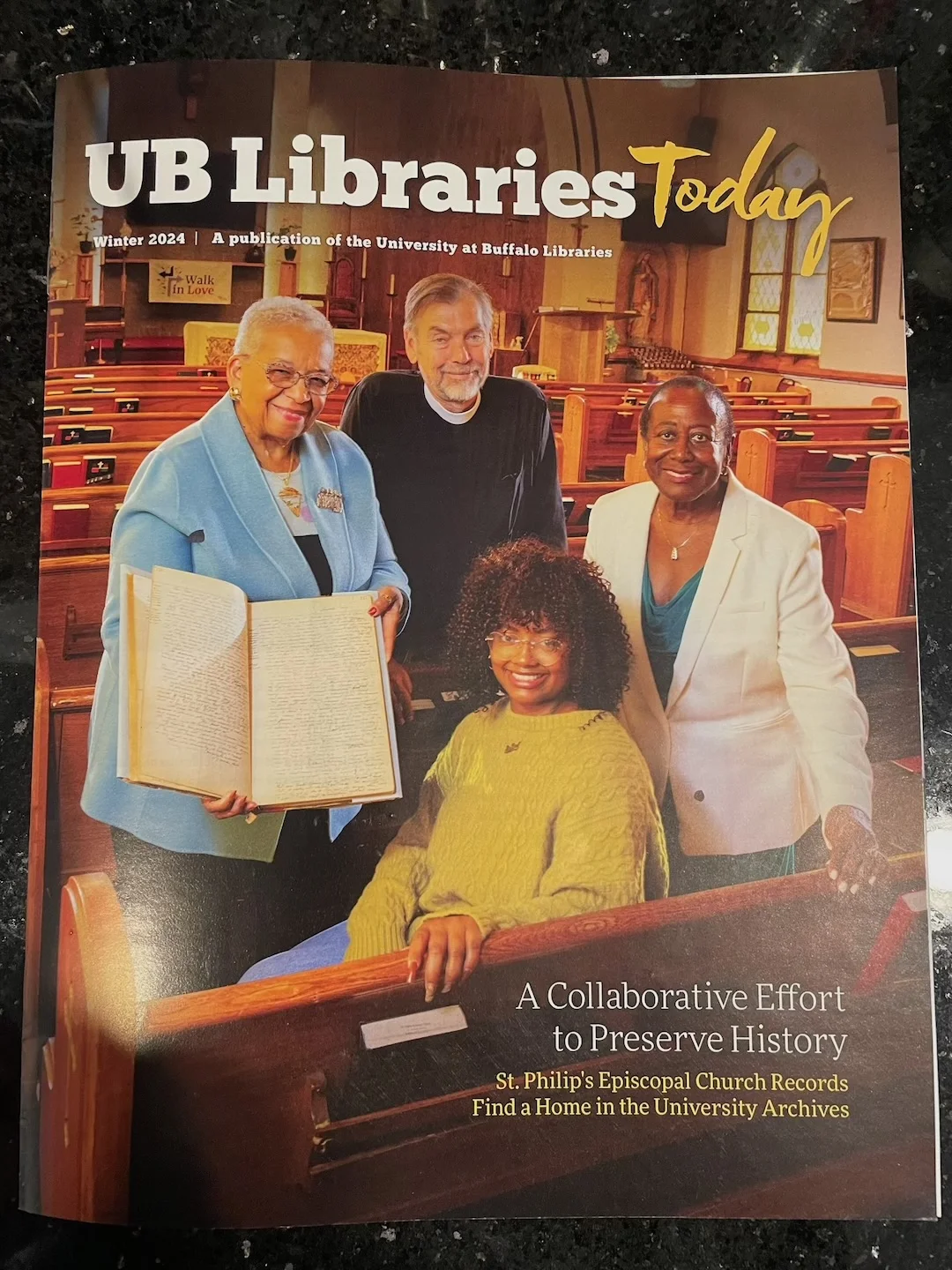
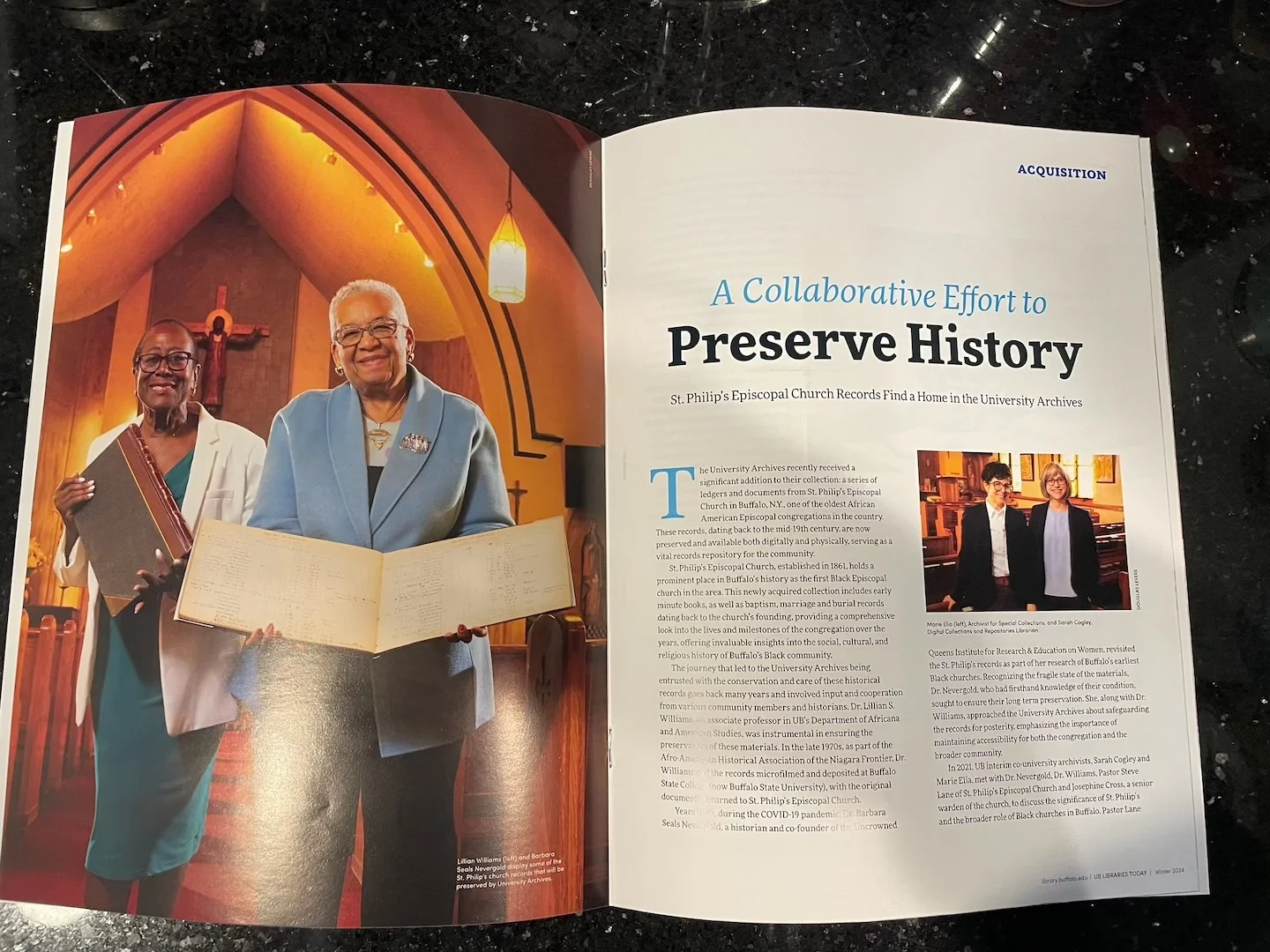
In 2024, the Institute facilitated the University of Buffalo's acquisition of the records of St. Philip’s Episcopal Church.The first African American Episcopal Parish in Buffalo was founded in 1861.Church records date from this period and were housed in the church office. The University has digitized these records and conserved them for future generations.
Educational Curricula
The co-founders, both educators, have developed curriculum and workshop presentations related to their research on local African American history; African American women's history; Family History research; lessons learned from the development of the project itself, e.g. "How-tos of self-publishing.
Media Presentations
The co-founders have participated as interviewees on numerous radio/television programs. We have also recorded many audio interviews with Uncrowned Queens and Kings, which will be available on the website.
Illuminations/They've Got Stories to Tell
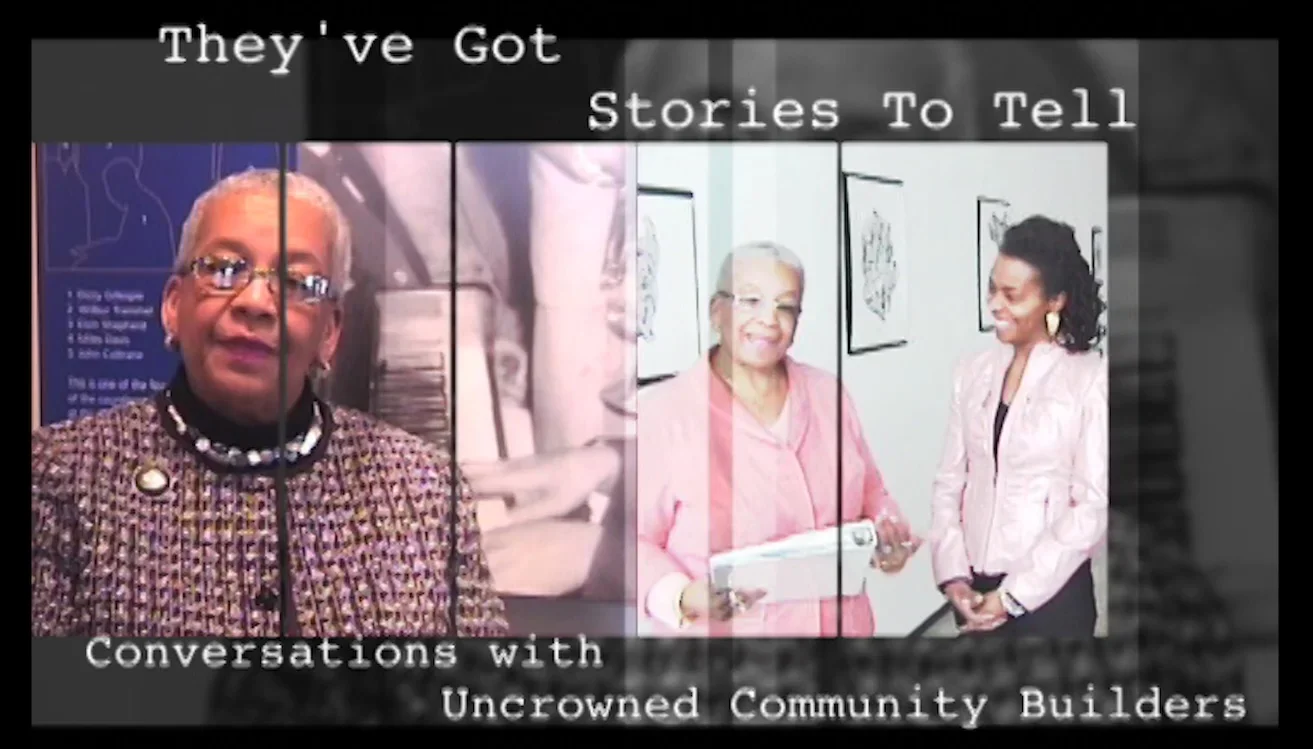
Uncrowned Queens Community Builders - a one-half hour television program, produced by Uncrowned Queens co-founders, that puts a spotlight on the activities of Uncrowned Queens and Kings.The program aired weekly and was produced by Dr. Nevergold, who also hosted. The programs ran for 10 years (2008 – 2018) and are archived on YouTube.
Publications
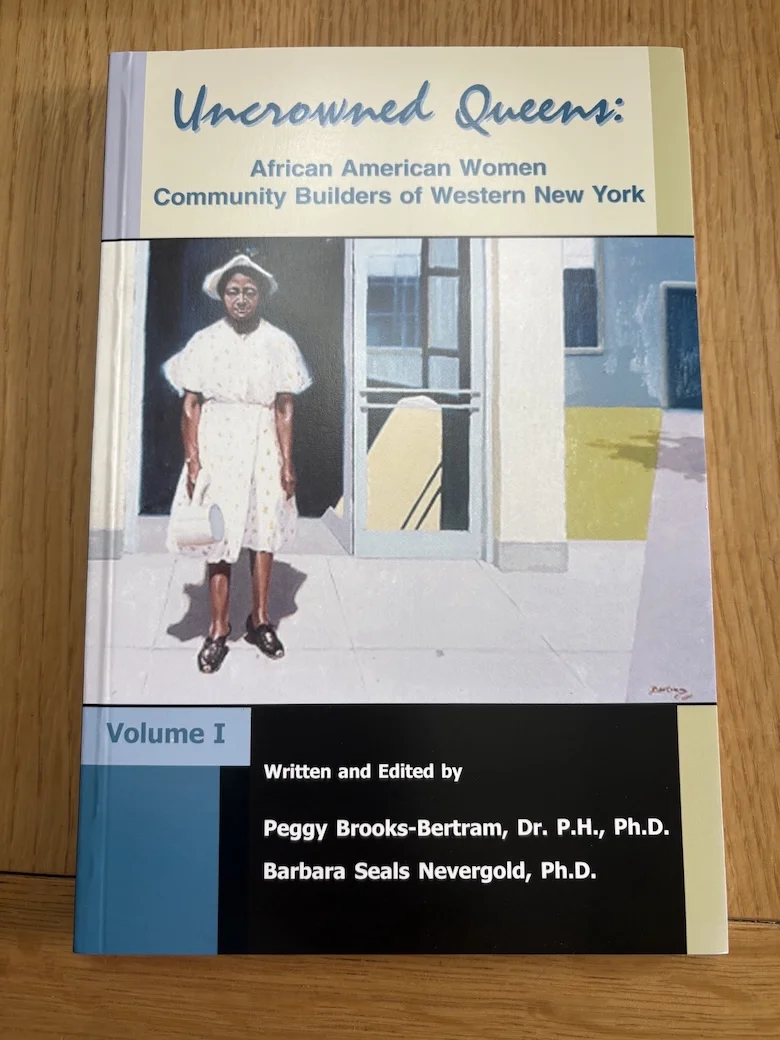
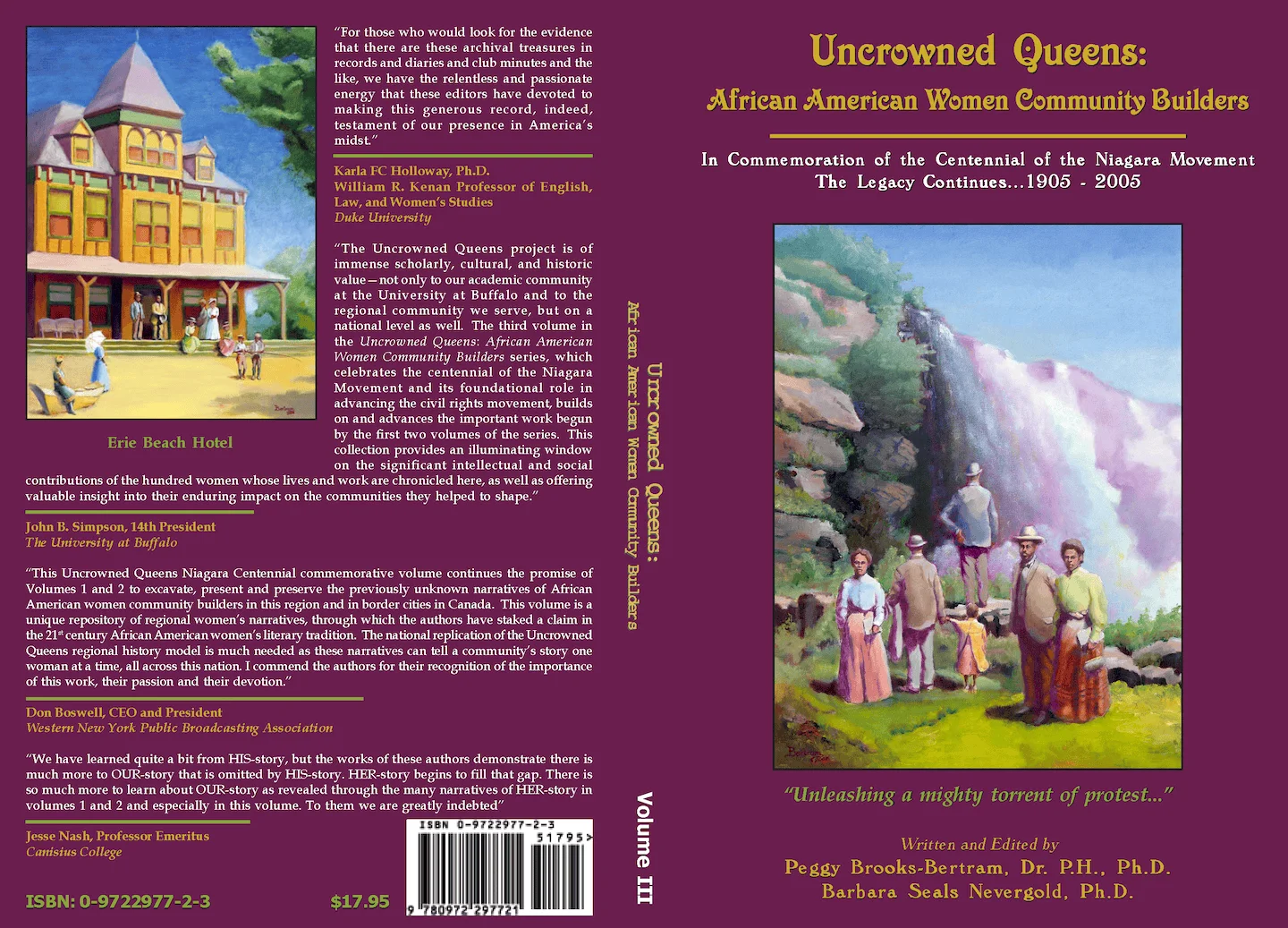
Under Uncrowned Queens Publishing, the Institute's special affiliate, three editions of " Uncrowned Queens: African American Community Builders of Western New York" and one volume of “ Uncrowned Queens of Oklahoma” have been published;“ Ida D. Fairbush: It Rests with Her to Pave the Way” (2019); in addition the Institute produced a monthly on-line newsletter that had a national circulation and over 500 subscribers; the Institute has produced brochures, flyers, newspaper and magazine articles and the co-founders have written articles for refereed journals.
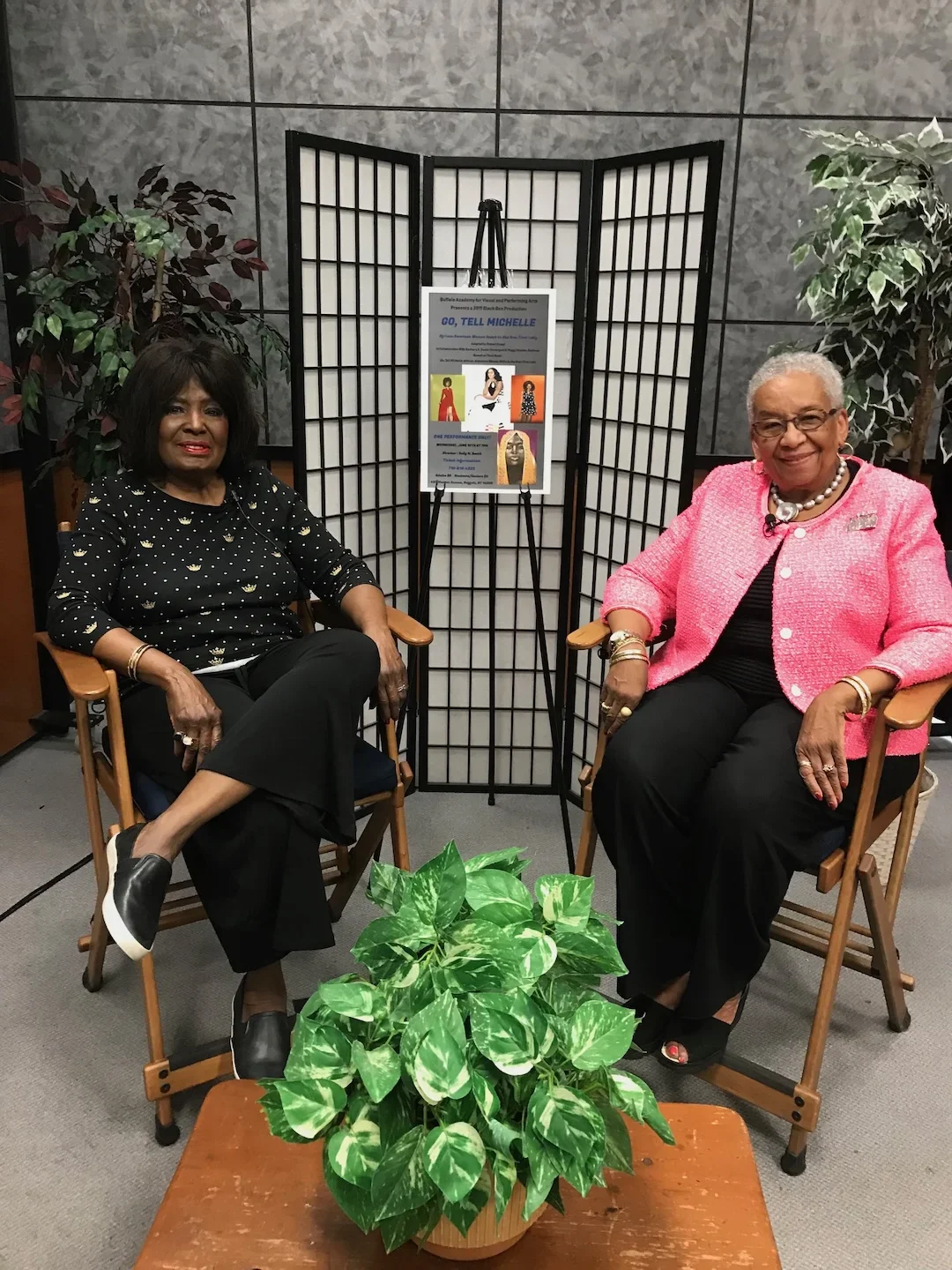
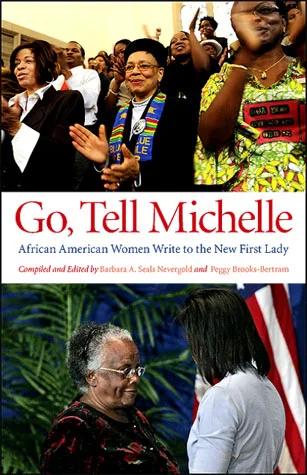
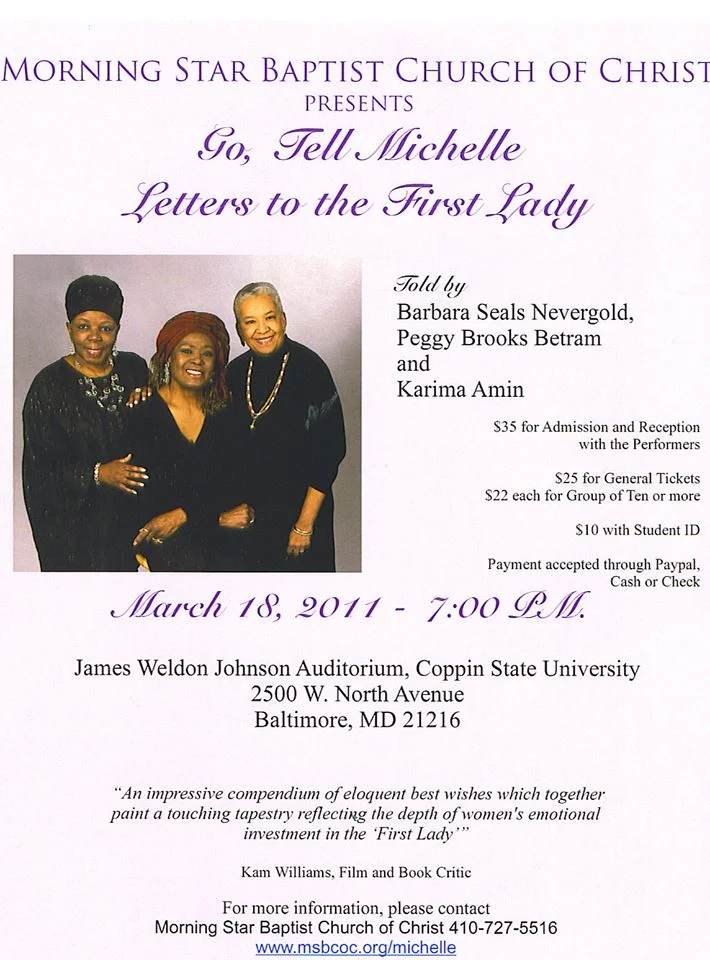
“Go, Tell Michelle: African American Women Write to the New First Lady”
(SUNY Press, 2009) – Barbara A. Seals Nevergold and Peggy Brooks-Bertram
This award-winning volume featured letters from one hundred women from across the United States, Africa, and the Caribbean.The book documents the beliefs, hopes, and reactions of African American women to the election of President Barack Obama and the installation of the first African American First Lady, Michelle Obama.
Educational Conferences/Workshops
The Institute has sponsored three national/international conferences (2001, 2002, and 2003), which addressed the issues of African American history and women's history; symposiums were held in conjunction with the State of Oklahoma's 2007 Centennial Celebration and the launch of the Uncrowned Kings project. As part of the plans for the 10th year observance of the Institute’s founding, a series of symposia was held.
Research on Black Women and Men
Primarily historical (dating from the earliest settlers; historical eras such as the Underground Railroad; the Great Migration). Focused on regional histories, noting the individual and collective community stories.
Bridging the Digital Divide
A primary service of the Institute has been to teach technology literacy, appreciation, and understanding of technology in historical and community preservation; persuade the community to move toward technology for research and preservation of community history; maintain ongoing communication with the community using electronic email and website updates; encourage comfort and reliance on technology, and encourage individual use of technology.
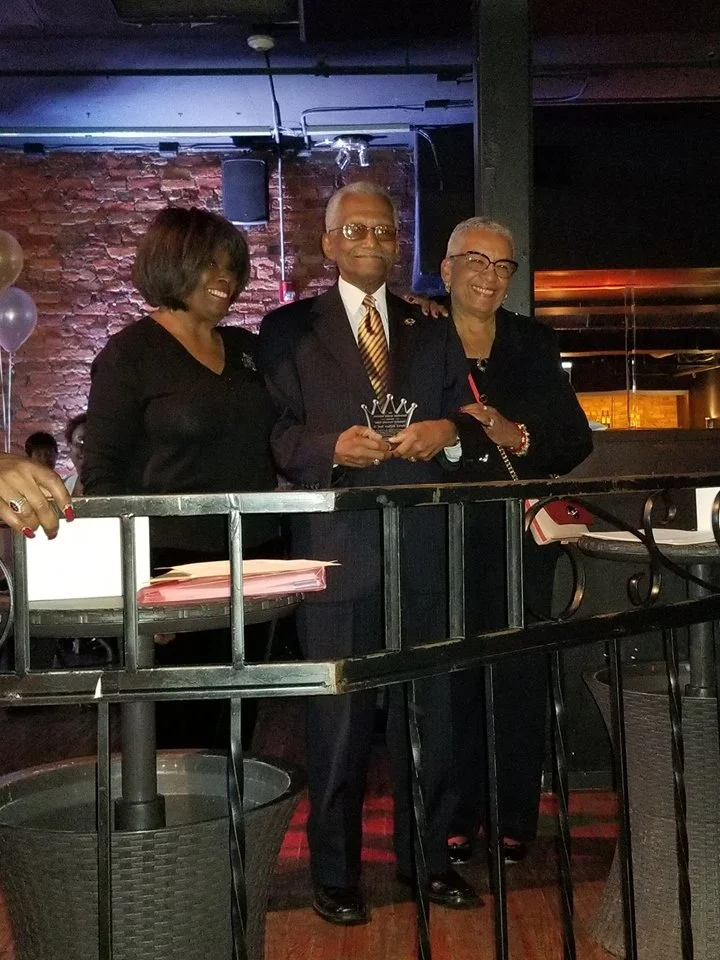
Culture Keeper Award
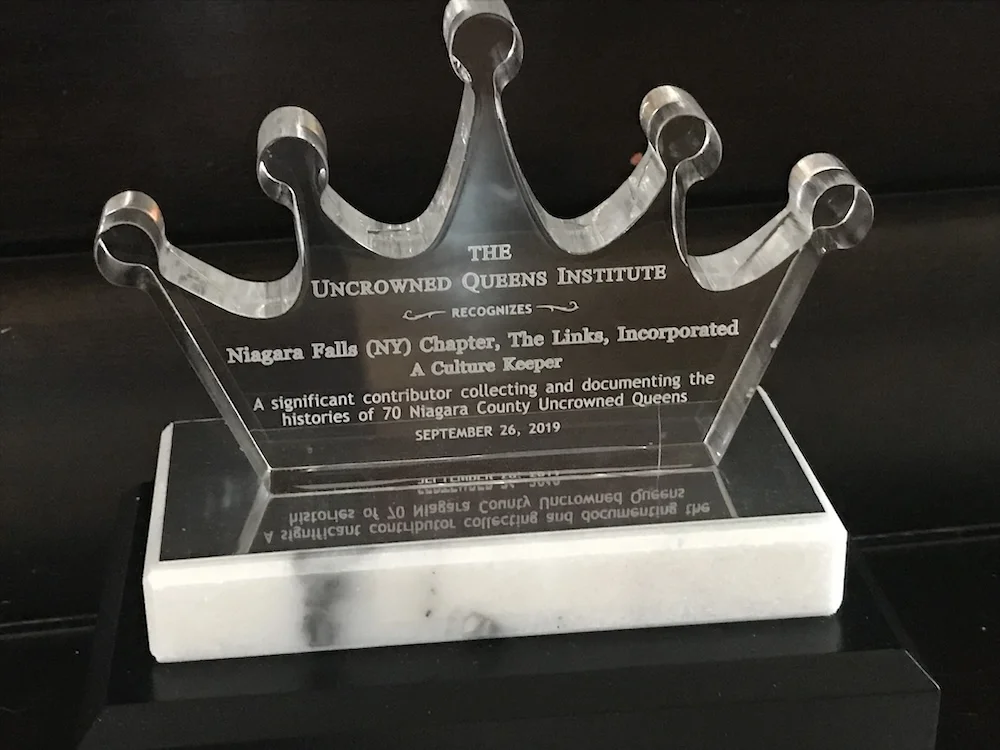
As an outgrowth of its own mission, through this award the Institute recognizes, supports and promotes the work of individuals and other organizations in the preservation of African American history; Winners have included Eva Noles, The Challenger and the Buffalo Criterion Newspapers, Robert Traynham Coles, Architect and John Brent, Architect, About Time Magazine (Rochester) and Eddie Faye Gates (Oklahoma Tulsa Race Riot Commissioner).
Community Collaboration
The Institute has a long history of building collaborations with diverse community, civic, professional, business, and government organizations to accomplish its mission; promote and support its programs; develop and enhance its services; the Institute is a founding member of the 5/14 Buffalo Massacre Community Memory Coalition to ensure that an authentic, comprehensive history of that tragedy is maintained.
Preservation Projects
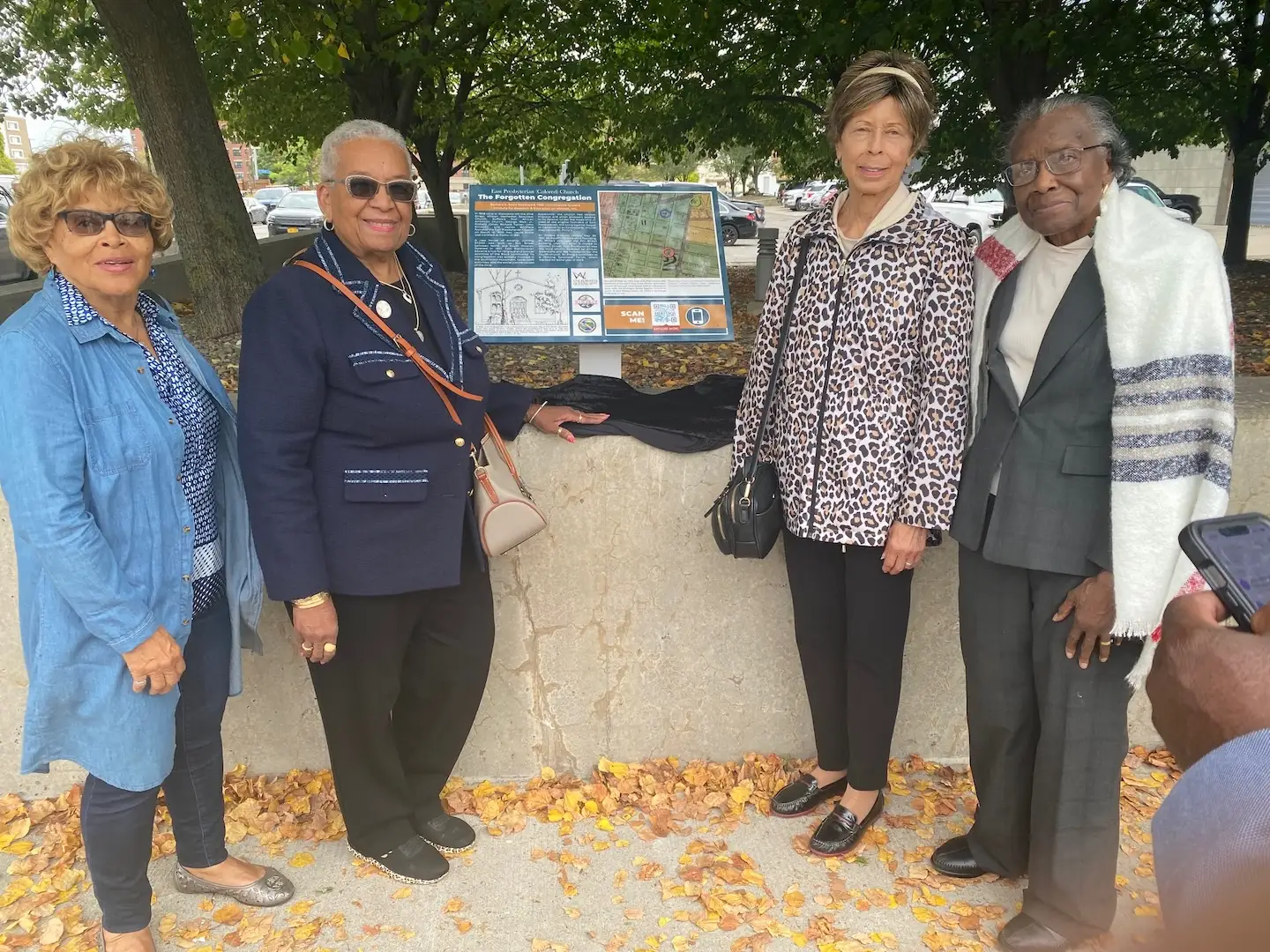
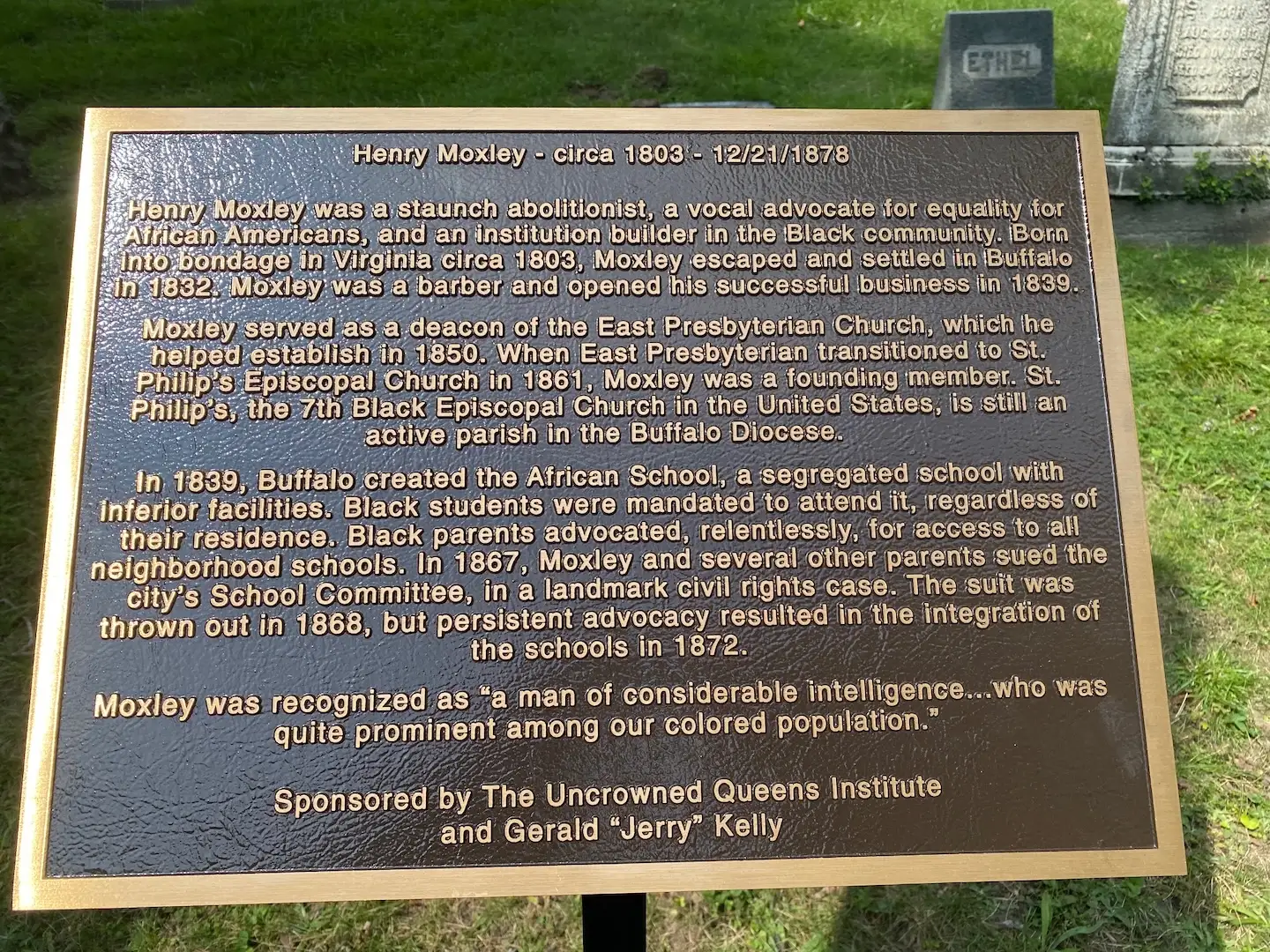
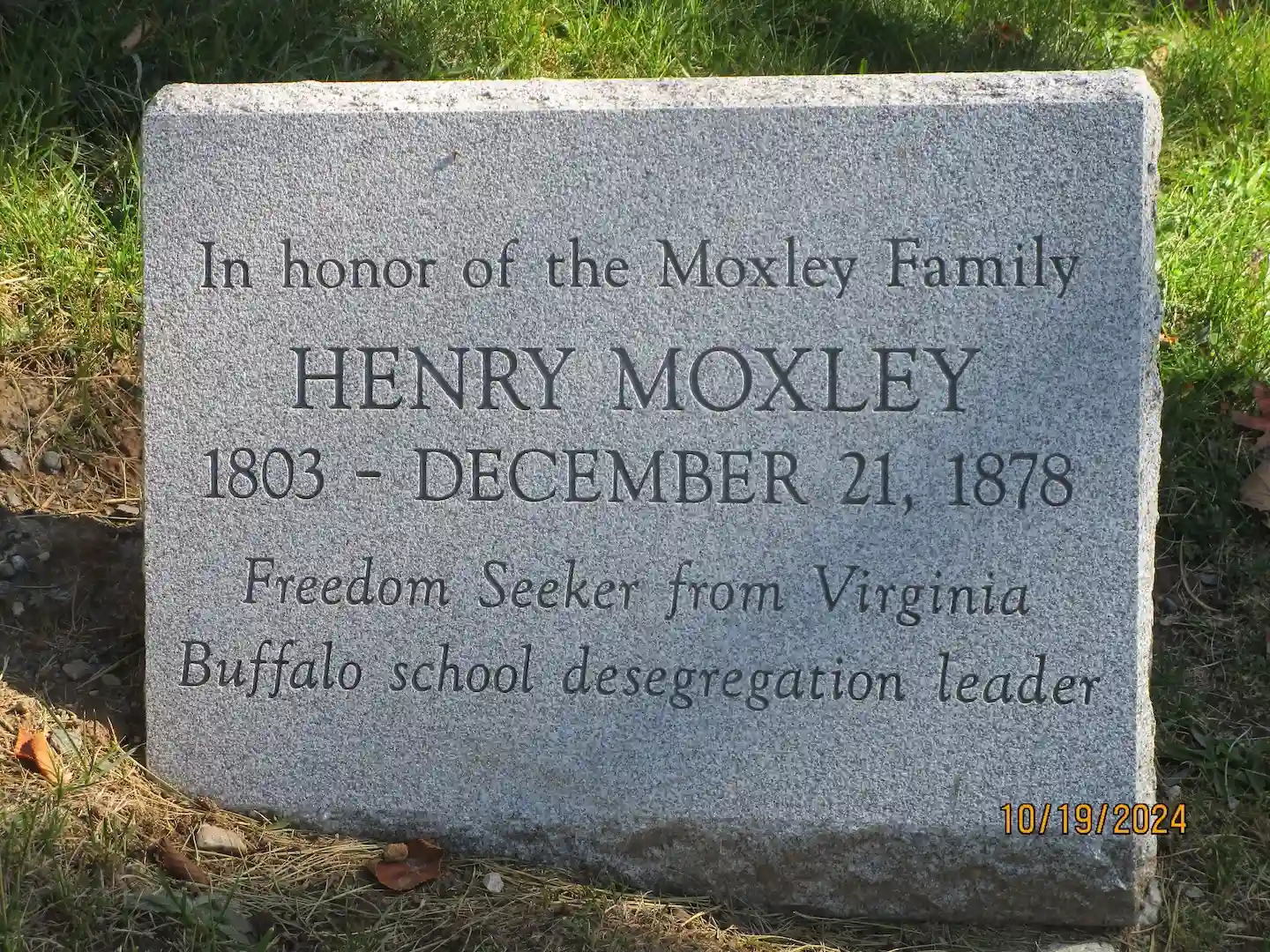
Over the years, the Institute has researched and documented stories that have created new opportunities to preserve and share them through historic artifacts. Sometimes these projects have resulted in physical examples, such as historic markers that offer another way to tell the story and reach a broader audience. Other times, we have received donations of physical items, which we have shared with other historical organizations for their collections. Thanks to the support of partners such as the County of Erie, Forest Lawn Cemetery, Stone Art Memorial, Inc., and Mr. Gerald "Jerry" Kelly, community members can learn about the East Presbyterian Church and Henry Moxley. Additional historic markers are planned.
In the Moxley case, special thanks to Stone Art Memorial for the incredibly generous donation of the headstone.